Index
Receive our newsletter
Italy draws thousands of international students each year through its top universities and vast cultural heritage. Milan and Rome stand out as prime educational hubs. The first thrives on economic energy; the second carries deep historical weight. Both cities deliver strong academic experiences, yet pursue different paths. The choice ultimately rests on personal goals and career goals. Students should also weigh costs, atmosphere, and future prospects.
Two cities, different vibes
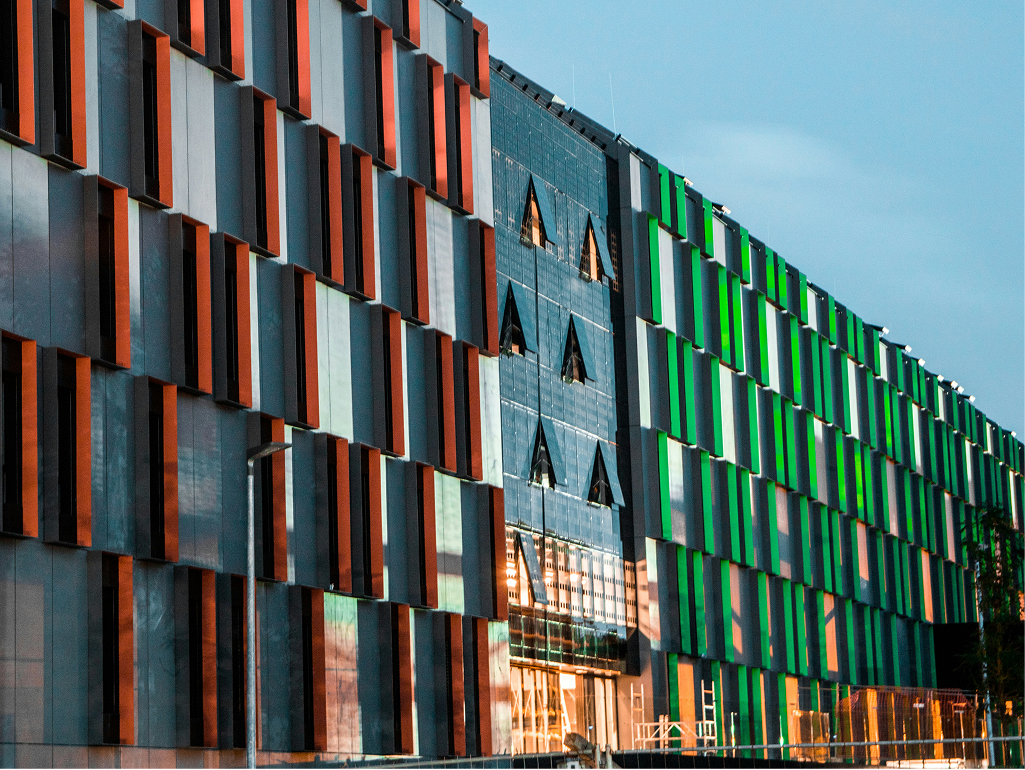
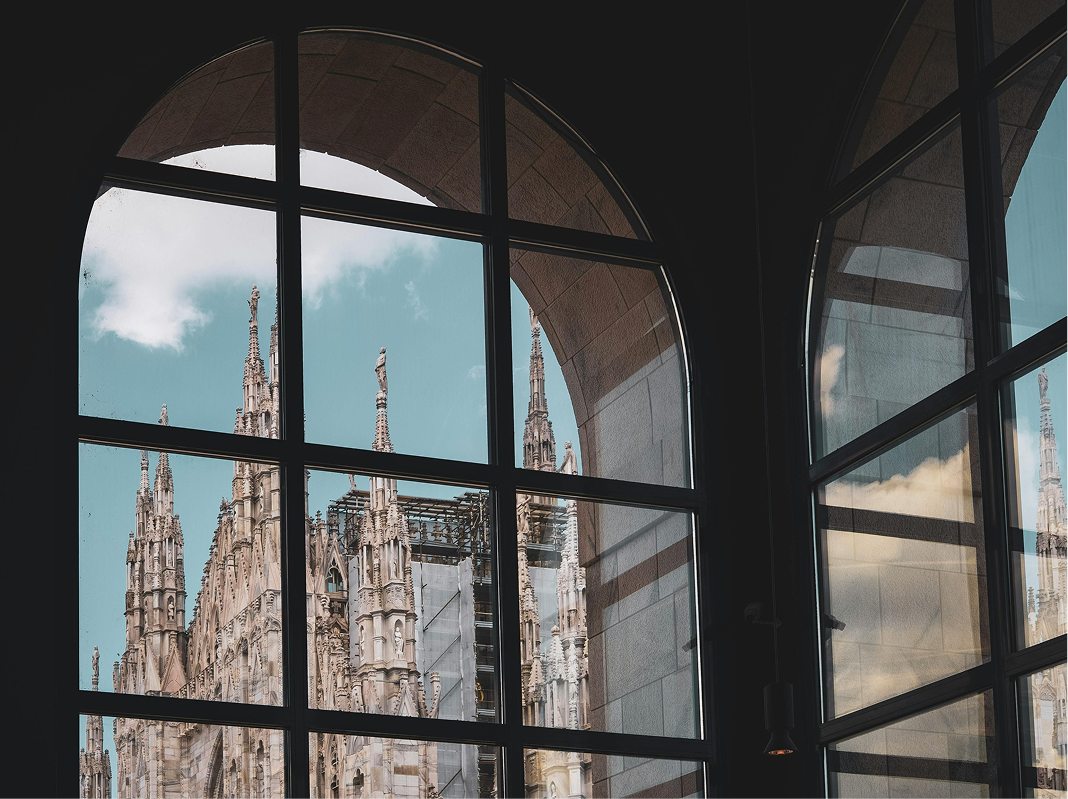
Milan serves as northern Italy's economic powerhouse. It hosts around 140,000 university students, many foreigners drawn to English-taught programs and global industry ties. The city projects modern efficiency, from recent skyscrapers to wide boulevards.
Rome gathers about 200,000 students across its institutions. History surrounds daily life here: classrooms sit near the Colosseum, libraries hold centuries of knowledge. The capital suits those seeking total cultural immersion alongside studies.
Both locations enjoy strong global standing. Milan ranks high for business and engineering programs, while Rome excels in humanities and law fields.
Academic offerings and top schools
Milan shines in technical and business areas. Politecnico di Milano leads architecture, industrial design, and engineering tracks, with well-equipped campuses focused on hands-on work. Bocconi University rules economics, drawing young professionals worldwide through renowned finance and management degrees. These schools stress job readiness and partner with multinational firms.
Rome favors classical and social studies. Sapienza, among Europe's oldest universities, excels in medicine, archaeology, and philosophy, its faculties spread through the historic center. LUISS provides training in political science and law, emphasizing international relations. Programs stress in-depth analysis and exposure to Roman public bodies.
The contrast lies in priorities. Milan equips graduates for cutthroat job markets. Rome builds academic or diplomatic careers.
Realistic cost of living
Budget plays a major role. Milan averages 700-900 euros monthly for a single room near campus. Dining out runs 12-15 euros per meal; annual transit passes cost around 400 euros. Private school tuition like Bocconi falls between 3,000 and 5,000 euros yearly. Rome proves slightly cheaper. Similar rooms go for 500-700 euros, daily meals 10-12 euros. Citywide annual transit costs 250 euros. Fees at Sapienza or LUISS start at 1,000 euros, aided by public scholarships. Both demand 1,000-1,400 euros monthly for comfort, though Rome stretches funds further.
Daily transport and connectivity
Milan offers an efficient four-line metro linking campuses to downtown in 20-30 minutes. Bike shares and trams fill gaps. Malpensa Airport provides frequent low-cost flights across Europe. Rome relies on buses and trams, with metro limited to two main lines. Campus commutes stretch amid traffic, but the compact layout shortens trips. Fiumicino Airport serves direct routes to Madrid or Barcelona.
Student scene and nightlife
Milan buzzes with professional events and design fairs that pull driven youth, while sleek Navigli bars light up evenings and campus festivals pack weekends. International students make up 15% of enrollment. Rome captivates through free offerings like opera at Teatro dell'Opera or historic plaza strolls, nightlife clusters in Trastevere's traditional spots. Some 20% of students come from abroad.
Job prospects after graduation
Milan unlocks fashion, finance, and tech roles. Firms like Armani or Goldman Sachs hire Politecnico and Bocconi alumni. Youth unemployment hovers near 20%, offset by plentiful internships turning permanent. Rome links to government and NGOs. The Vatican, EU offices, and ministries take Sapienza graduates. Joblessness tops 25% for youth, eased by diplomatic networks for global moves.
Match to your background
Academic focus sets direction: engineering and business lead to Milan for its industrial drive, while humanities and law thrive in Rome amid rich cultural roots. Daily expenses prove easier in the capital. Northern spots boost global contacts. In the end, pick based on career speed versus personal growth depth. These cities form complementary poles in Italian higher education. Both produce capable graduates, but selection shapes life experience as much as studies. If you’re interested in learning more about the cultural challenges of studying in Rome and how to navigate them, check out this guide.