
Index
Receive our newsletter
Portugal has a well-structured healthcare system that combines public and private services. Key aspects to understand include how to access medical care, the type of coverage available, and which options are most suitable depending on each situation. Identifying these points before arrival or during the first days in the country helps prevent unexpected issues during an academic stay.
Healthcare system in Portugal
Portugal’s public healthcare system is known as the Serviço Nacional de Saúde (SNS). It provides general, specialized, and hospital care to residents through public funding.
The SNS operates through a network of public health centers and hospitals. Health centers serve as the first point of contact and assign a general practitioner, who refers patients to specialists when needed. This structure allows for ongoing medical follow-up, although waiting times may vary depending on the region and the type of appointment.
Access to the SNS for students depends on their administrative status and country of origin. In some cases, public healthcare is available through European agreements or specific registrations, while in others, private medical insurance is required.
Accessing public healthcare as an international student
Students from European Union countries can use the public healthcare system with a European Health Insurance Card. This document allows access to medical care under the same conditions as Portuguese citizens during temporary stays. However, coverage is limited to necessary treatment and does not always include all services.
For longer stays, many students choose to register at the health center corresponding to their place of residence. This process usually requires documents such as proof of address, identification, and, in some cases, a Portuguese tax number. Once registered, students receive an SNS user number.
Students from outside the European Union do not always have direct access to the public system. In these situations, private health insurance is required and is often mandatory for visa approval and university enrollment. If you have questions about how to see a doctor in other European countries, such as Spain, this guide may be helpful.
Private healthcare and medical insurance
Private healthcare in Portugal complements the public system. Many private clinics and hospitals offer faster service, shorter waiting times, and greater flexibility when choosing specialists. This option suits students who prefer quicker access or who cannot use the SNS.
Student health insurance plans typically cover medical consultations, basic tests, hospitalization, and emergency care. Since coverage varies by policy, reviewing the details carefully before choosing one is essential to understand which services are included and which medical centers are part of the network. Some Portuguese universities also require proof of insurance during the admission process.
Receiving medical care in Portugal
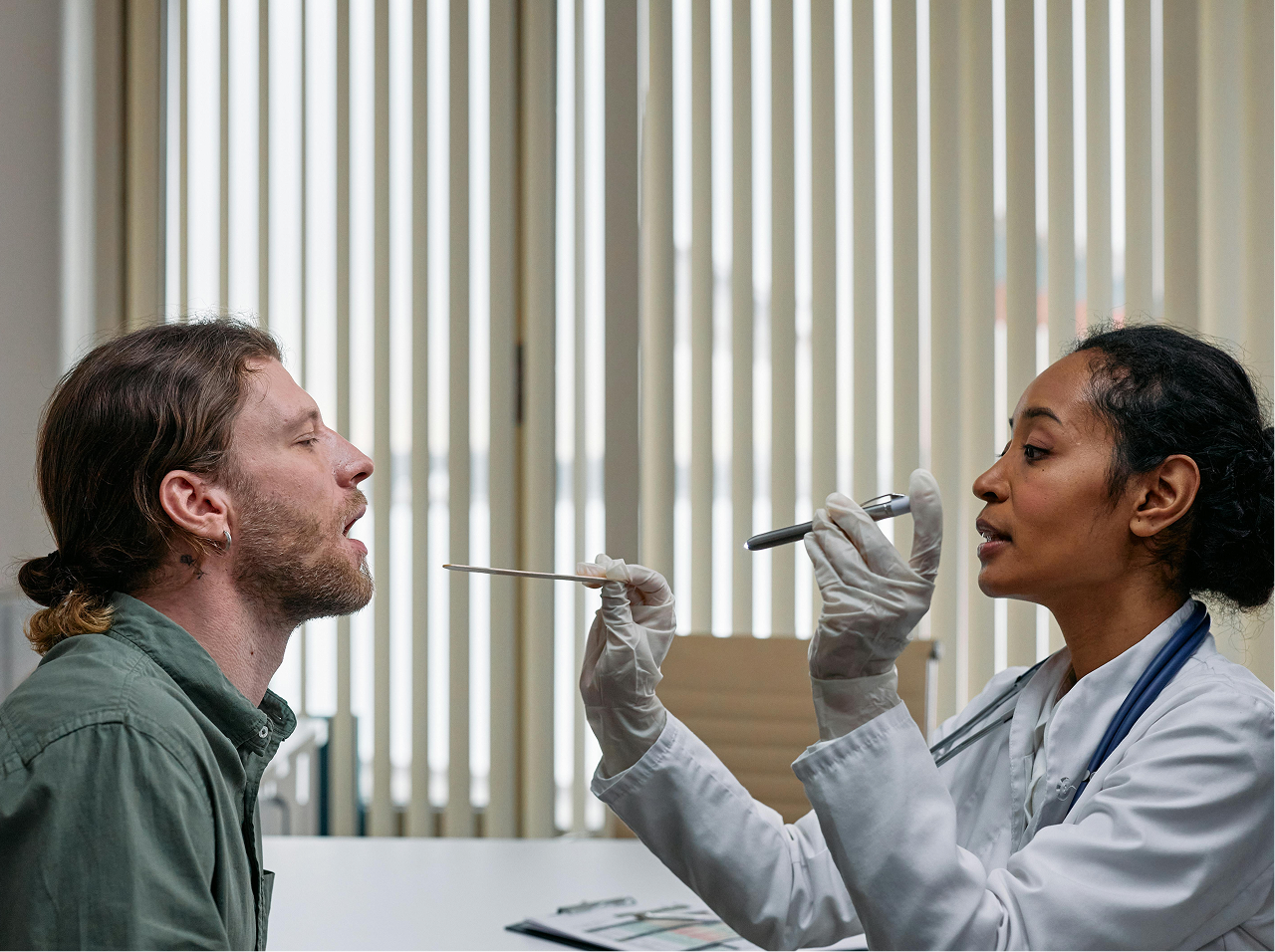
When a health issue arises, the first step is to visit the assigned health center or a private clinic, depending on the available coverage. Within the public system, the general practitioner assesses the situation and manages referrals if needed.
In urgent cases, hospitals provide emergency services around the clock. Portugal uses the emergency number 112, which coordinates ambulances and security services. Distinguishing between a true emergency and a situation that can wait is important, as hospitals prioritize care based on severity.
Pharmacies are important too, as many offer basic medical advice and have extended opening hours. While some medications require a prescription, others are available over the counter.
Key considerations during your stay
Language can sometimes be a challenge. Although many healthcare professionals speak English, this is not always the case in smaller facilities. Preparing a brief description of symptoms in advance can be helpful.
Waiting times differ between public and private services. While the SNS may involve delays for certain specialties, private care is usually faster. This contrast often influences the choice of coverage.
Keeping medical reports, prescriptions, and related documents organized supports continuity of care, especially when both systems are used. To save time, check which medical centers are close to your accommodation and included in your insurance plan.
Healthcare as part of the academic experience
Understanding how healthcare works in Portugal is an important part of preparing for an academic experience abroad. Having clear information and knowing where to seek help supports informed decisions, while appropriate coverage allows students to focus on their studies and adapt to university life without added concerns.
Medical care may not be a priority during the planning phase, yet it becomes essential when a specific need arises. Anticipating these aspects contributes to a safer experience and helps students make the most of their time in Portugal. Solutions such as Abroad by Lodgerin support universities in accompanying students before and during their stay abroad, working with specialized partners in medical coverage and 24/7 emergency services.